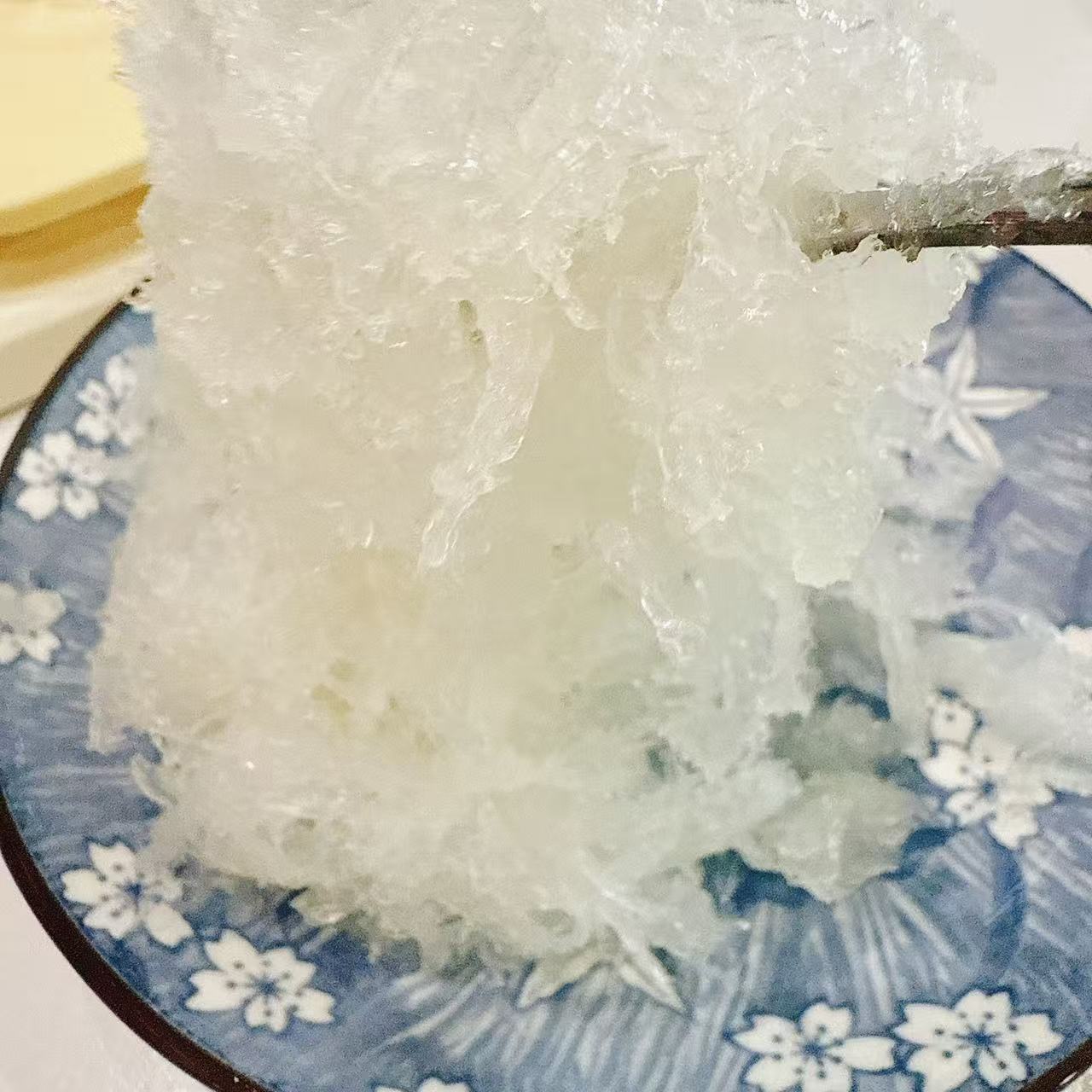
You’ve probably heard the traditional advice that “cave” bird’s nest is the most premium, authentic option available. For generations, the image of daring harvesters scaling treacherous limestone cliffs has been synonymous with luxury and high quality. But as modern science and environmental awareness evolve, a crucial question arises: is a cave bird’s nest actually better for you, or is house-farmed bird’s nest the smarter, safer choice?
In Singapore’s discerning wellness market, the debate between cave and house bird’s nest is more relevant than ever. Let’s break down the differences, bust some persistent myths, and explore why modern, health-conscious consumers are increasingly turning to ethically sourced house nests.
The Myth of the “Superior” Cave Nest
Historically, all edible bird’s nests were harvested from natural limestone caves, primarily in Southeast Asia. Because these nests were rare, dangerous to collect, and rich in minerals absorbed from the cave walls, they commanded astronomical prices. This scarcity created a perception of superiority that persists today.
However, the reality of cave-harvested nests presents several significant challenges for the modern consumer.
- Heavy Metal Contamination: Nests built on natural cave walls absorb minerals from the rock. While some of these minerals are beneficial, caves are also rich in heavy metals like lead, mercury, and arsenic. Over time, the nest absorbs these potentially harmful substances, making purification incredibly difficult.
- Inconsistent Quality and Hygiene: Cave environments are uncontrolled. The nests are exposed to weather elements, predators, and the droppings of other cave-dwelling animals (like bats). This exposure increases the risk of bacterial contamination and high nitrite levels, requiring aggressive chemical cleaning or bleaching by unscrupulous suppliers.
- Environmental and Ethical Concerns: Unregulated cave harvesting often leads to the destruction of eggs or chicks if harvesters are not careful or are driven by high demand. The dangerous nature of the job also poses significant risks to the harvesters themselves.
The Rise of the House-Farmed Bird’s Nest
“House-farmed” bird’s nest often conjures images of artificial environments or captive birds, but this is a misconception. Swiftlets cannot be domesticated or kept in cages; they must hunt for wild insects in their natural habitat.
A “bird’s nest house” is simply a purpose-built structure designed to mimic the ideal conditions of a natural cave—optimizing temperature, humidity, and safety—to encourage wild swiftlets to nest there voluntarily.
Here is why house-farmed nests are becoming the gold standard for purity and sustainability:
- Controlled, Clean Environments: Unlike natural caves, farming houses are regularly cleaned and monitored. This drastic reduction in environmental contaminants means the harvested nests contain significantly lower levels of nitrites and bacteria.
- Zero Heavy Metal Absorption: Because the nests are built on clean, untreated wooden planks rather than mineral-rich stone, the risk of heavy metal contamination is virtually eliminated. This ensures a purer, safer product, especially crucial for pregnant women and young children.
- Sustainable and Ethical Harvesting: Reputable farms wait until the swiftlet chicks have hatched, grown, and abandoned the nest before harvesting. Since swiftlets never reuse an old nest, harvesting the abandoned ones is entirely cruelty-free and supports the growth of the swiftlet population.
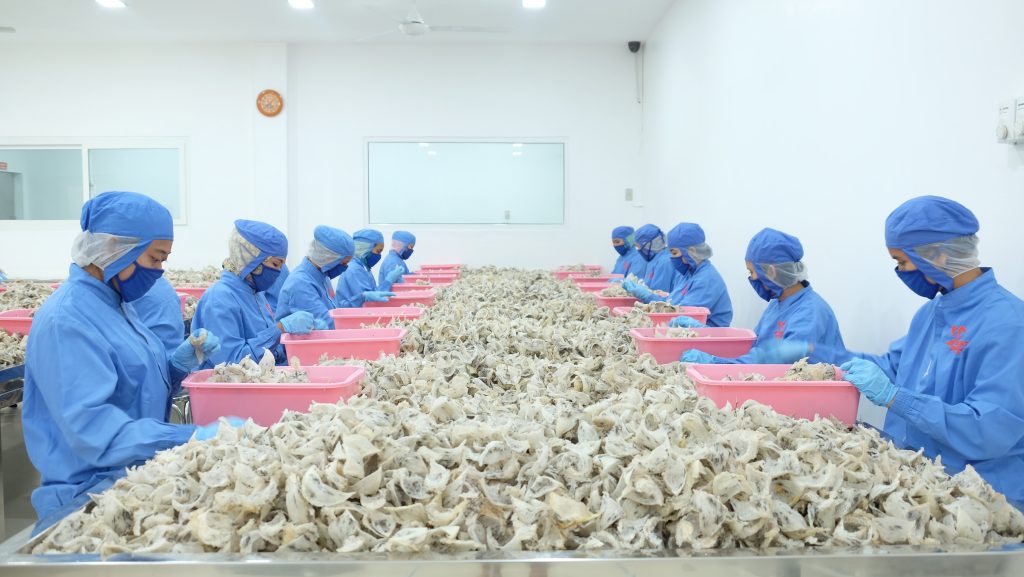
- Easier Cleaning Process: Because house nests are inherently cleaner, they require less processing. At SGBEST, our house-farmed nests undergo a meticulous 100% hand-cleaning process using purified water, entirely avoiding the harsh bleaching chemicals sometimes used on heavily soiled cave nests.

Nutritional Comparison: Is There a Difference?
A common fear is that house-farmed nests lack the nutritional profile of their cave counterparts. Scientific analysis, however, tells a different story.
Both cave and house nests are produced by the exact same species of swiftlet (typically the Aerodramus fuciphagus). Therefore, the core nutritional components—specifically the highly prized Epidermal Growth Factor (EGF) and sialic acid—are virtually identical.
The primary difference lies in the mineral content. Cave nests may have a higher concentration of certain trace minerals (which also gives them a tougher texture and longer cooking time), but this comes with the aforementioned risk of heavy metal exposure. House nests offer the same vital glycoproteins and amino acids but in a cleaner, softer, and safer format.
| Feature | Cave Bird’s Nest | House Bird’s Nest |
|---|---|---|
| Environment | Uncontrolled, natural caves | Controlled, purpose-built houses |
| Contamination Risk | High (Heavy metals, bat guano, high nitrites) | Low (Regularly cleaned, monitored) |
| Harvesting Ethics | Often unregulated, risky to birds and humans | Sustainable, harvested only after abandonment |
| Core Nutrition (EGF, Sialic Acid) | High | High |
| Cleaning Process | Often requires heavy processing/chemicals | Easier to hand-clean without chemicals |
| Texture | Tougher, requires longer soaking/stewing | Softer, smoother, easier to digest |
Making the Right Choice for Your Wellness
When choosing a bird’s nest, the priority should always be purity, safety, and nutritional value. While cave nests carry a romanticized historical prestige, the uncontrolled nature of their environment introduces unnecessary risks.
For modern consumers—whether you are an expectant mother seeking safe nourishment, a professional looking for a daily energy boost, or someone buying a premium gift—ethically sourced house-farmed nests offer the best of both worlds: uncompromised traditional nutrition with modern safety standards.
At SGBEST, we prioritize your health and peace of mind. We source exclusively from trusted, sustainable house farms in Malaysia and Indonesia. Every batch, whether it is our premium raw SGBEST Bird Nest Stick or our convenient, ready-to-drink Golden Bowl Instant Bird’s Nest, is 100% hand-cleaned, rigorously lab-tested, and certified Halal and HACCP compliant.
Want to learn more about selecting the perfect bird’s nest?
- Learn how to read the labels in our guide to Understanding “Dry Weight”
- Discover why we never use chemicals in our guide on How to Check if Your CNY Bird’s Nest is 2026 Standard Compliant (SS 718)