
You’re standing in a supermarket aisle, holding two bottles of bird’s nest. One costs $28. The other costs $98. Your instinct screams: “Why would I pay more than three times the price for the same thing?”
This is the exact moment when most consumers make a decision that costs them hundreds of dollars annually without realizing it.
The uncomfortable truth is that the $28 bottle isn’t bird’s nest—it’s expensive sugar water thickened with fungus extract. And you’re about to discover why paying less is actually costing you far more.
The 15% Concentration Scandal
Here’s what most consumers don’t know: commercial bird’s nest brands often contain only 15% actual bird’s nest, with the remaining 85% being water, sugar, and gelling agents.
Let that sink in. You’re paying for bird’s nest, but you’re getting mostly filler.
This isn’t accidental or a secret. If you read the nutrition label carefully, you’ll see it. But most consumers don’t read labels—they read price tags. And that’s exactly what budget brands count on.
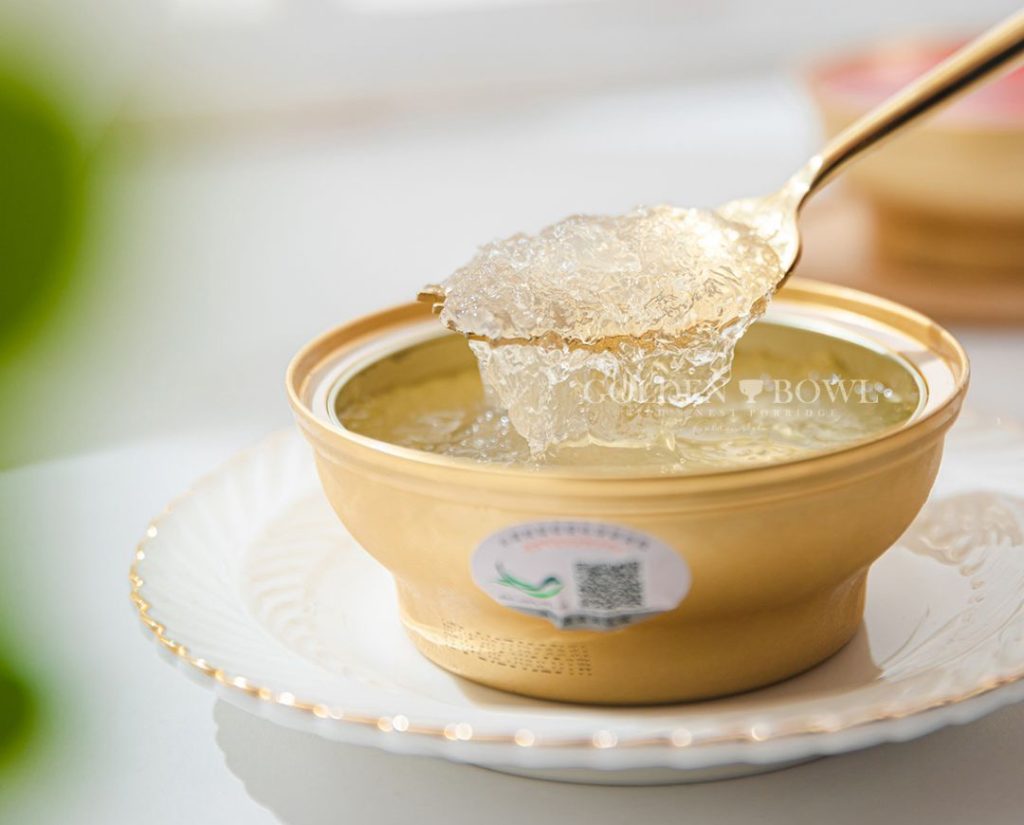
How the 15% Trap Works
The Ingredient List: Budget brands list their ingredients in order of concentration. If you see “bird’s nest” listed after “water” and “sugar,” that’s your red flag. The product is primarily water and sugar with a token amount of actual nest.
The Gelling Agents: To create the illusion of thickness and concentration, budget brands add:
- Agar-agar (derived from seaweed, creates a gel-like texture)
- Fungus extract (often listed as “white fungus” or “tremella”)
- Guar gum (a thickening agent)
These ingredients create the visual and textural appearance of a thick, concentrated bird’s nest product. But they’re not bird’s nest, and they don’t provide the nutritional benefits you’re paying for.
The Sweetness: Budget brands add significant sugar (or artificial sweeteners) to mask the dilution. A 75ml bottle might contain 8-12 grams of added sugar—equivalent to 2-3 teaspoons. This transforms bird’s nest from a pure wellness product into a sugary supplement drink.
The Price Point: By using only 15% actual bird’s nest and filling the rest with cheap water and additives, manufacturers can sell at $20-$30 per bottle while maintaining healthy profit margins. The low price is possible precisely because they’re cutting corners on the core ingredient.
The Math: Why You’re Actually Paying More
Let’s do the calculation that most consumers never do.
Scenario 1: Budget Bird’s Nest ($28 per bottle, 15% concentration)
- Actual bird’s nest content per bottle: 11.25 ml (or approximately 3.75 grams of dried equivalent)
- Cost per gram of actual bird’s nest: $7.47
- Annual cost (consuming 3x weekly): $4,368
- Actual bird’s nest consumed annually: 585 grams
Scenario 2: Premium Bird’s Nest ($98 per bottle, 98% concentration)
- Actual bird’s nest content per bottle: 73.5 ml (or approximately 24.5 grams of dried equivalent)
- Cost per gram of actual bird’s nest: $4.00
- Annual cost (consuming 3x weekly): $15,288
- Actual bird’s nest consumed annually: 3,822 grams
Wait—this makes premium seem more expensive! But here’s the critical insight: you’re consuming 6.5x more actual bird’s nest with the premium product. The nutritional benefit isn’t comparable.
Understand the quality differences in Instant vs. Raw Bird’s Nest: The Ultimate Comparison for Modern Singaporeans.
The Real Comparison:
- Budget brand: $4,368 annually for minimal nutritional benefit
- Premium brand: $2,352 annually to achieve equivalent nutritional intake to budget brand
By choosing the premium product, you’re actually paying 46% less per unit of actual bird’s nest while getting superior quality, zero added sugar, and certified safety.
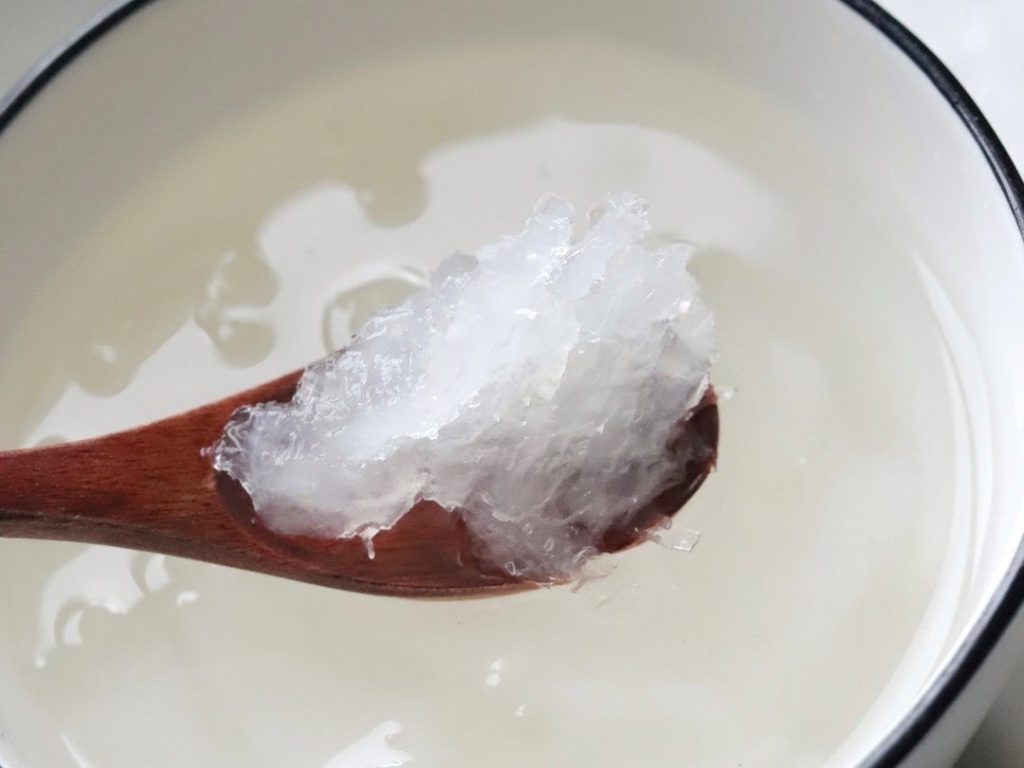
What You’re Actually Getting at Each Price Point
Budget Bird’s Nest ($20-$35)
- Actual Nest Content: 10-15%
- Added Sugar: 8-12 grams per bottle
- Gelling Agents: Present (agar-agar, fungus extract, guar gum)
- Lab Testing: Unlikely
- Certifications: Possibly Halal, but HACCP certification is rare
- Sourcing Transparency: Minimal or none
- Nutritional Benefit: Minimal (mostly sugar and water)
Mid-Range Bird’s Nest ($50-$75)
- Actual Nest Content: 30-50%
- Added Sugar: 3-5 grams per bottle
- Gelling Agents: May be present in smaller amounts
- Lab Testing: Possibly
- Certifications: Halal and possibly HACCP
- Sourcing Transparency: Limited
- Nutritional Benefit: Moderate (diluted but present)
Premium Bird’s Nest ($85-$120)
- Actual Nest Content: 90-98%
- Added Sugar: 0 grams (zero added sugar)
- Gelling Agents: None
- Lab Testing: Yes, independent third-party testing
- Certifications: Halal and HACCP certified
- Sourcing Transparency: Complete (farm names, processing details)
- Nutritional Benefit: Maximum (full concentration of sialic acid, EGF, glycoproteins)
The Hidden Costs of Cheap Bird’s Nest
Beyond the math, there are other costs to consider:
Health Costs
- Sugar Overload: Consuming 8-12 grams of added sugar 3x weekly adds up to 1,248-1,872 grams annually—equivalent to 5-7 pounds of sugar. This increases diabetes risk, contributes to weight gain, and destabilizes blood sugar.
- Gelling Agent Concerns: While agar-agar and guar gum are generally recognized as safe, they provide zero nutritional benefit and may interfere with nutrient absorption.
- Lack of Efficacy: With only 15% actual bird’s nest, you’re unlikely to experience the health benefits you’re seeking. This leads to disappointment and often abandonment of bird’s nest consumption.
Opportunity Costs
- Wasted Money: You’re spending money on a product that doesn’t deliver results, money that could have been invested in a premium product that actually works.
- Wasted Time: Consuming an ineffective product wastes weeks or months of your wellness journey without results.
- Wasted Effort: You’re taking time to consume something that isn’t providing the nutritional support you need.
Safety Costs
- Unknown Sourcing: Budget brands often don’t disclose where their bird’s nest comes from, making it impossible to verify safety.
- Lack of Testing: Without independent lab testing, you have no assurance that the product is free from heavy metals, bacterial pathogens, or chemical contaminants.
- Regulatory Gaps: Budget brands may operate in regulatory gray areas, with minimal oversight.
How to Spot the Trap: Reading Labels Like a Pro
Red Flags on the Label:
- “Bird’s nest” listed after “water” or “sugar” in the ingredient list. Ingredients are listed by concentration, so this indicates minimal actual nest.
- Presence of gelling agents: Look for agar-agar, tremella (white fungus), guar gum, or xanthan gum. Premium bird’s nest doesn’t need these.
- High sugar content: More than 2-3 grams of sugar per serving is a red flag. Premium bird’s nest should have 0-1 gram.
- Vague sourcing: If the label doesn’t specify where the bird’s nest comes from, that’s a concern.
- Missing certifications: Look for Halal and HACCP certification. Their absence suggests lower safety standards.
- No lab testing information: Premium brands proudly display their lab testing results. If there’s no mention of testing, be skeptical.
Learn how to read labels in our guide on How to Check if Your CNY Bird’s Nest is 2026 Standard Compliant (SS 718).
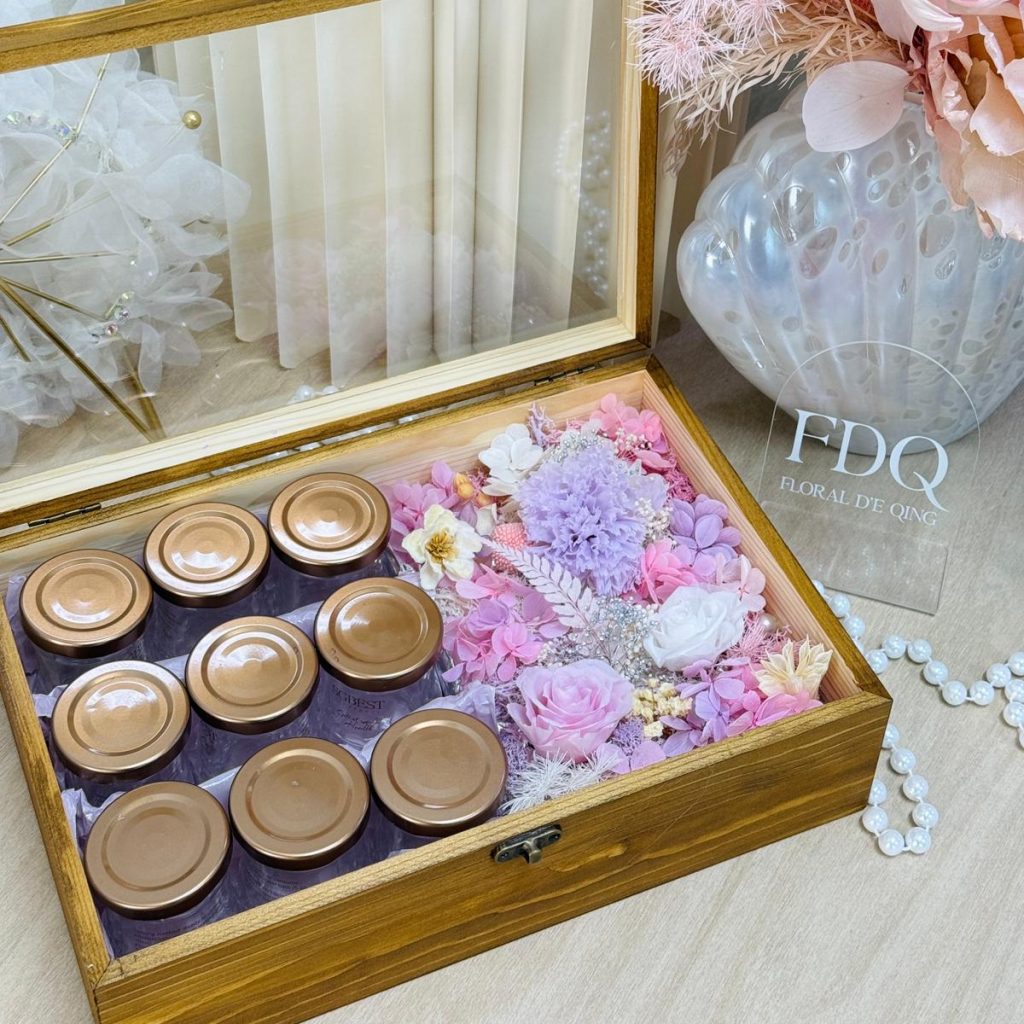
The SGBEST Difference
At SGBEST, we’ve made a deliberate choice to compete on quality rather than price.
Our Commitment:
- 98% Bird’s Nest Concentration: Every bottle is packed with actual bird’s nest, not fillers.
- Zero Added Sugar: We don’t add sugar to mask dilution or improve taste. Our product tastes like pure bird’s nest because it is.
- Zero Gelling Agents: No agar-agar, no fungus extract, no artificial thickeners. The texture comes from the actual bird’s nest.
- Independent Lab Testing: Every batch is tested for heavy metals, bacterial pathogens, bleach residues, and boric acid.
- Halal and HACCP Certified: We meet the highest food safety standards.
- Complete Sourcing Transparency: We source from named, sustainable house farms in Malaysia and Indonesia.
- Daily Stewing in Singapore: Our fresh logistics model means your bird’s nest is stewed the day you order it, not sitting in a warehouse for months.
When you choose SGBEST Golden Bowl Instant Bird’s Nest, you’re not paying for marketing or packaging. You’re paying for an actual bird’s nest—98% of it.
Can You Afford Not to Choose Premium?
The budget bird’s nest trap is seductive because it appears to save money. But when you do the math, it costs more per unit of actual bird’s nest while delivering minimal health benefits.
More importantly, it wastes your time and effort. You’re consuming a product that doesn’t work, which leads to frustration and abandonment of bird’s nest altogether.
Premium bird’s nest costs more upfront, but it delivers:
- Actual nutritional benefit (sialic acid for brain health, EGF for skin and cellular regeneration)
- Verified safety (lab-tested, certified)
- Consistency (the same quality every time)
- Efficiency (you get results, not disappointment)
The question isn’t whether you can afford premium bird’s nest. It’s whether you can afford not to.