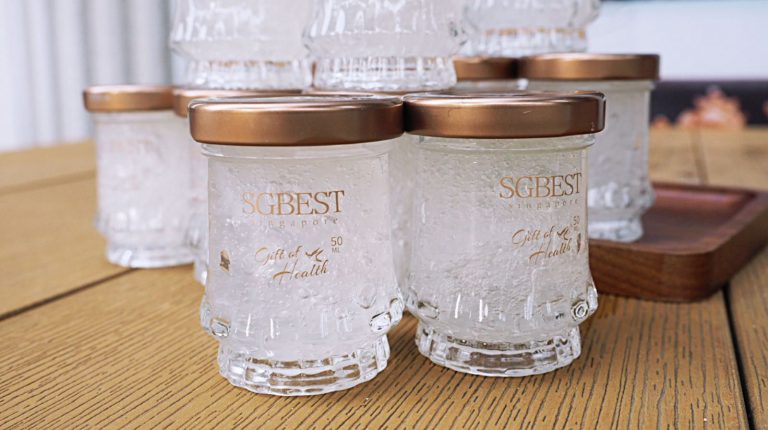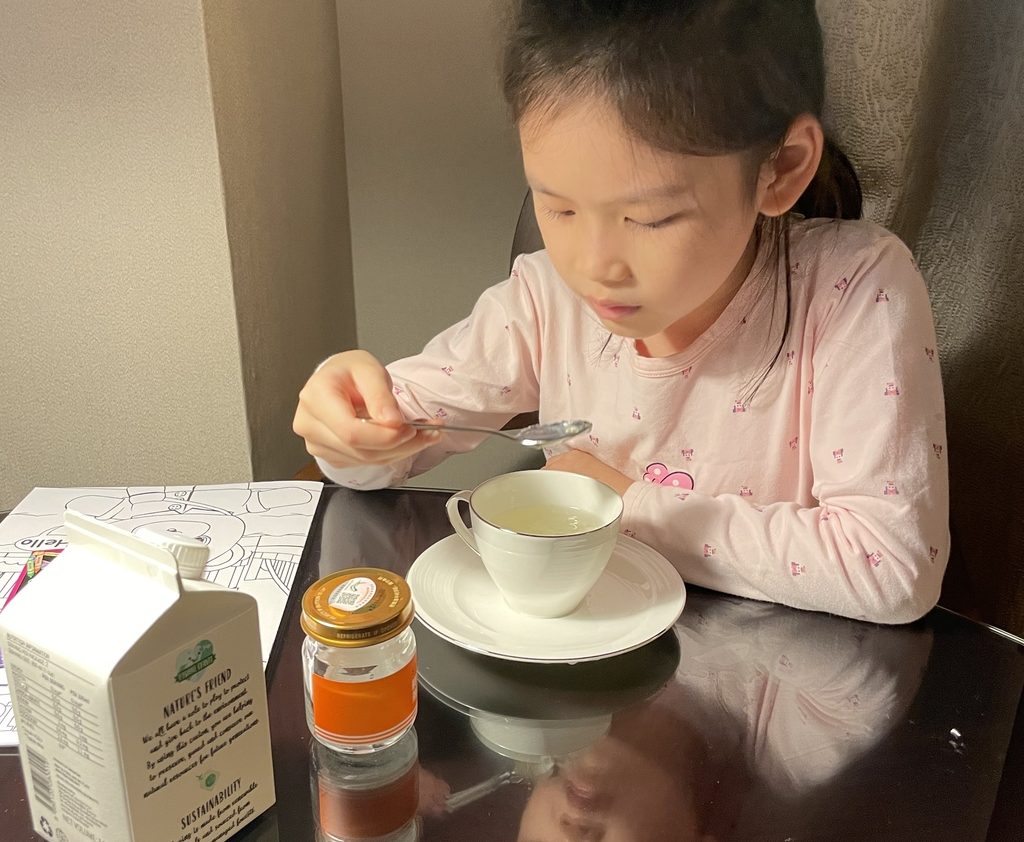
Every Singaporean parent knows the struggle: You send your toddler to childcare, and within a week, they come home with a runny nose. The “Childcare Cycle” of coughs, colds, and fevers can be exhausting.
While we load up on Vitamin C and multivitamins, many parents overlook a traditional Asian remedy that is gentle, natural, and powerful: Bird’s Nest.
But is it safe for little ones? How much should they eat? Here is your complete guide to introducing bird’s nest to your child’s diet safely.
Why Give Bird’s Nest to Kids?
It’s not for anti-aging (they don’t need that yet!). For children, the benefits are focused on Immunity and Brain Development.
1. Sialic Acid for Brain Growth Bird’s nest is one of the richest natural sources of Sialic Acid. Studies have shown that Sialic Acid is an essential nutrient for early brain development and cognitive function. It acts as “brain food” during these critical growing years.
2. Strengthening the Lungs In Traditional Chinese Medicine (TCM), bird’s nest is a top-tier lung tonic. For kids who suffer from chronic dry coughs or are sensitive to the haze/air-conditioning, regular consumption helps to moisten the respiratory tract and soothe the throat.
3. Gentle Immunity Support The glycoproteins in bird’s nest act as a prebiotic, supporting the gut (where 70% of the immune system lives) and helping to fend off common bugs.
The “When” and “How Much”
Safety Rule #1: The Age Limit We recommend introducing bird’s nest only after the child turns 1 year old.
- Why? Babies under 12 months have developing digestive systems and should focus on breast milk/formula and basic solids. Bird’s nest is a protein, and like eggs, it’s best introduced once their tummy is stronger.
Safety Rule #2: The Dosage More is not better. A toddler’s body is small.
- Serving Size: 1 to 2 teaspoons (approx. 15–20ml) per day is sufficient.
- Frequency: 2 to 3 times a week is a great maintenance routine.
Preventing Choking: Texture Matters
The biggest risk for toddlers isn’t the bird’s nest itself—it’s the texture. Long, stringy strands can be a choking hazard for children who are still learning to chew properly.
- Tip: Do not feed them long strands from a “Whole Cup.”
- The Solution: Buy Broken Nests or Fragments. These pieces are smaller, softer, and cook down into a jelly-like consistency that is easy to swallow. Not only is this safer, but it’s also cheaper! You don’t need aesthetic perfection for a toddler’s porridge.
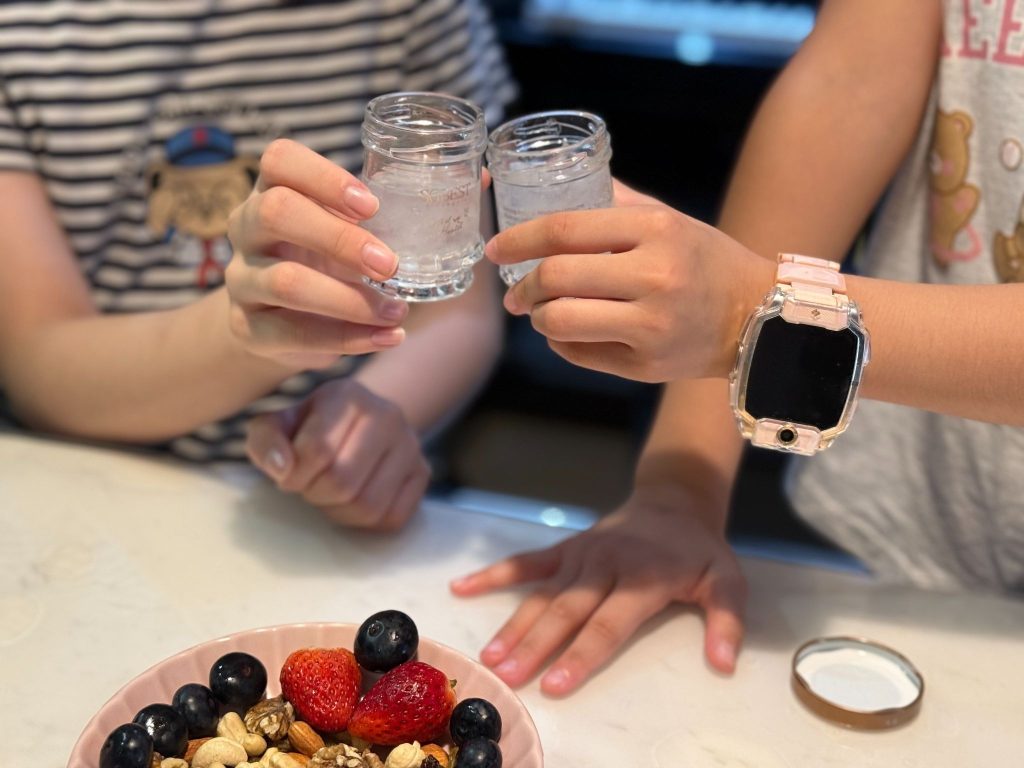
How to Serve It to Picky Eaters
If your child refuses to drink the “plain soup,” hide it in their favorite foods.
1. The “Porridge Hack” Stir a spoonful of bird’s nest into their warm morning porridge.
- Recommendation: Our Chinese Yam Lily Bird’s Nest Porridge is naturally sweet (from the lily bulb) and soft, making it an excellent, pre-made breakfast option for kids.
2. The “Milk Mixer” Add a spoonful of Sugar-Free bird’s nest into their warm milk before bed. It dissolves easily and they won’t even notice the texture change.
3. Fruit Jelly Mix bird’s nest with a little fruit juice and gelatin to make healthy “gummies” or jelly cups.
Conclusion
Building immunity takes time. By adding a small, safe amount of bird’s nest to your toddler’s routine, you are providing them with a natural shield to help them play, learn, and grow with confidence.
Start them young, keep them strong. For kids, there is no need to splurge on premium cups. Our SgBest Bird Nest Stick offers the same nutritional value with a softer texture that is perfect for little mouths.